
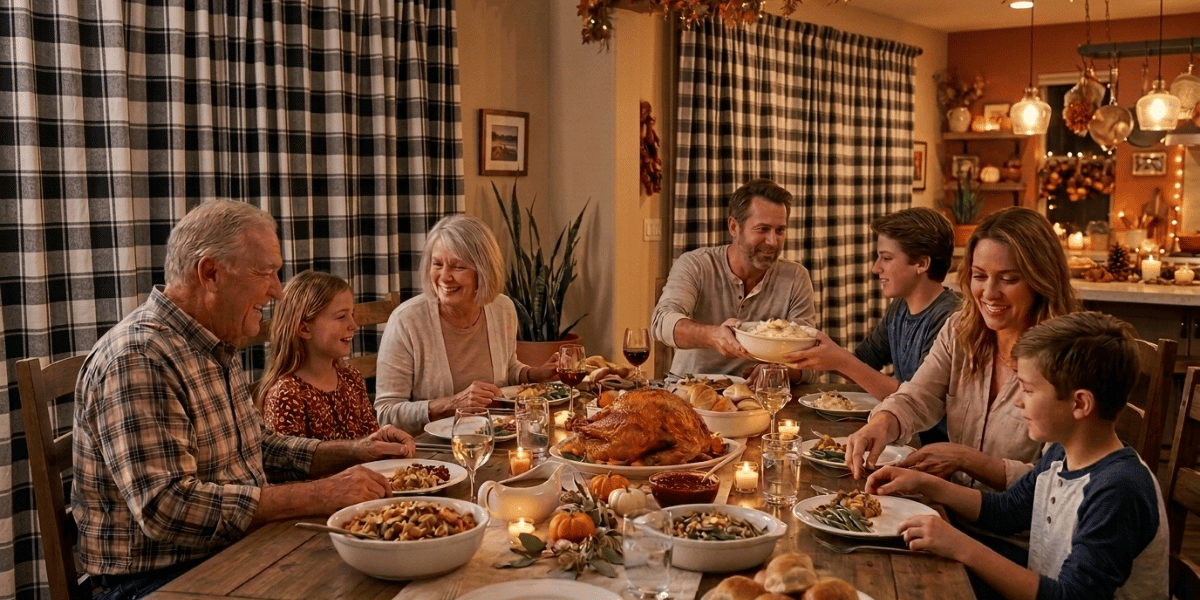
When you’re hosting for the holidays, you want everyone to feel at home. That means having enough food, a comfortable place to sleep, and a house that doesn’t leave half your guests reaching for a sweater while the others are too warm.
Here in North Georgia, holiday weather can make that a little tricky. Unlike colder parts of the country, we might enjoy a mild afternoon only to have temperatures drop by evening. Add a house full of guests, and keeping every room comfortable can become a bit more challenging.
Fortunately, a little HVAC preparation can go a long way.
Quick Answer: How Do I Get My HVAC System Ready for Holiday Guests?
To get your HVAC system ready for holiday guests, check the air filter, clear blocked vents, test your heating system, and review your thermostat settings. Make sure guest bedrooms are comfortable, remove debris around outdoor equipment, and address any unusual noises, odors, or heating problems before guests arrive.
These simple checks can help prevent last-minute comfort problems and keep your home welcoming throughout the holidays.
A Few Days Before Guests Arrive
Start with the checks that could reveal a problem you’d rather not discover when the house is full.
1. Check Your Air Filter Before the House Gets Busy
Between cooking, cleaning, pets, and people coming and going, your HVAC system may be working harder than usual to maintain a comfortable temperature.
That makes it a good reason to take a look at the air filter.
Pull it out if it’s safely accessible and check for visible buildup. If it’s heavily coated in dust, pet hair, or debris, replace it with the correct filter recommended for your system.
A dirty filter can restrict airflow, making it harder for heated or cooled air to circulate throughout the house.
Here’s something worth knowing: You don’t need to buy the thickest or highest-rated filter you can find. Some filters can create too much resistance for certain HVAC systems. Using the correct type is more important than choosing one based on its packaging.
If the filter still looks clean and isn’t due for replacement, there’s no need to change it just because guests are coming.
2. Give Your Heating System a Test Run
If you haven’t used your heat much this season, don’t wait until everyone is settling in for the night to find out whether it’s working.
Choose a cooler morning to test your heater by setting the thermostat a few degrees above the current indoor temperature.
Give the system time to start and pay attention to what happens.
- Does the heating system turn on normally?
- Does warm air eventually come through the vents?
- Does the house begin reaching the temperature you selected?
- Are there any new noises or persistent unusual smells?
A mild, dusty smell when you first turn on the heat is usually nothing to worry about, especially if the system hasn’t run in months. However, strong electrical odors, visible smoke, or a burning smell that doesn’t go away are warning signs that shouldn’t be ignored.
If something doesn’t seem right, finding out several days before your guests arrive gives you time to arrange professional help.
3. Take a Quick Look at Your Outdoor HVAC Unit
While you’re checking things around the house, don’t forget to step outside and look at your outdoor HVAC equipment.
Fall leaves, grass clippings, and overgrown plants can collect around the unit and interfere with airflow. A quick walk around the equipment can help you spot anything that needs attention.
Here’s what to look for:
- Leaves and debris: Clear away fallen leaves, grass clippings, and other loose debris around the unit.
- Overgrown plants: Trim back shrubs, weeds, or branches that are crowding the equipment.
- Blocked airflow: Make sure there’s enough open space around the unit for air to circulate, following the manufacturer’s clearance recommendations.
This is especially important if your home uses a heat pump, since the outdoor unit continues working during colder weather.
There’s no need to remove panels or clean internal components. That’s what we’re here for! Your job is simply to make sure the equipment has room to operate.
The Day Before: Think About Where Everyone Will Be
Once you’ve checked the basics, turn your attention to the rooms your guests will actually use.
4. Walk Through the House and Clear the Vents
It’s easy to overlook an HVAC vent when you’re rearranging furniture to make room for visitors.
Maybe you’ve pushed a couch closer to the wall, moved an extra chair into the dining room, or placed luggage near a bedroom register.
Take a few minutes to check that supply vents and return grilles aren’t blocked by furniture, rugs, curtains, or storage.
Your HVAC system needs air to move freely throughout the house. Blocking that airflow can contribute to uneven temperatures and make some rooms harder to keep comfortable.
One thing to avoid: Don’t close several vents in unused rooms hoping to push more warm air toward your guests. In many systems, that can create airflow problems rather than solve them.
5. Spend a Few Minutes in the Guest Bedrooms
A guest bedroom might feel fine during the day but get surprisingly chilly at night, especially if it’s above a garage, has several exterior walls, or doesn’t get used very often.
Take a few minutes to see how comfortable the room feels while your HVAC system is running.
- Look for drafts: Check for cold air around windows and doors. Sealing air leaks can help keep guest rooms comfortable.
- Compare room temperatures: Close the bedroom door for a while and see if the room feels noticeably warmer or colder than the rest of the house.
- Adjust individual zones if you have them: If your home has a zoned HVAC system, make sure the guest bedroom is set to a comfortable temperature.
If the room still feels too hot or cold, avoid making big changes to the whole-house thermostat just to fix one bedroom. That could leave everyone else uncomfortable.
6. Check the Thermostat Schedule and Batteries
Your usual thermostat settings might work perfectly for your everyday routine, but things can change when you have guests staying over.
A few things to keep in mind:
- Review your thermostat schedule: If you use a programmable or smart thermostat, adjust your usual away-from-home or nighttime settings to fit your guests’ routines.
- Check the batteries: If your thermostat uses replaceable batteries, look for a low-battery warning and replace them if needed.
- Avoid cranking up the heat: Setting the thermostat much higher won’t make most heating systems warm your home faster. It may just leave everyone feeling too hot.
The goal is to find a comfortable temperature that works for your household and guests without constantly adjusting the thermostat.
Once the House Is Full, Keep Comfort Simple
You’ve checked the equipment and prepared the bedrooms. Now it’s about making small adjustments without overthinking every change in temperature.
7. Expect the House to Feel Warmer When Everyone Gathers
A house full of guests can feel warmer than usual, especially when everyone’s gathered in the living room or the kitchen is busy. Between body heat, cooking, and extra activity, indoor temperatures can rise even if you haven’t touched the thermostat.
Here are a few things to do when it starts feeling too warm:
- Check the indoor temperature: See what the thermostat reads before making adjustments. A small change may be all you need.
- Use your fan settings wisely: Your HVAC fan may help circulate air between heating cycles, but leaving it running continuously can use more electricity.
- Think about other rooms: A warm living room doesn’t necessarily mean the guest bedrooms are warm, too.
A little extra warmth is normal when the house is full. You don’t need to keep adjusting the thermostat every time a room feels different.
8. Pay Attention to Indoor Air Quality
With family and friends gathering for the holidays, especially little ones bringing home their fair share of seasonal germs, it’s a good time to pay extra attention to your home’s indoor air quality.
Your HVAC system can help circulate and filter indoor air, but there are a few other ways to keep things feeling fresh:
- Use kitchen ventilation: Turn on your range hood while cooking, especially if it vents outdoors, to help remove moisture, odors, and cooking pollutants.
- Let in some fresh air: When outdoor temperatures and air quality allow, opening windows briefly can help reduce indoor pollutants and stuffiness.
- Consider an air purifier: A properly sized portable air purifier with a HEPA filter can help reduce airborne particles in rooms where guests spend the most time.
Keep in mind that better ventilation and filtration can help reduce airborne particles, including some that carry germs, but they won’t eliminate the risk of illness.
9. Know Which HVAC Problems Shouldn’t Wait
Most holiday comfort issues are easy enough to manage, but some HVAC problems need professional attention. Even with a house full of guests, don’t ignore these warning signs:
- No heat: Your system is running but blowing cold air, or it won’t turn on at all.
- Frequent shutdowns: The system keeps turning on and off without properly heating your home.
- Unusual noises: New banging, grinding, squealing, or rattling sounds could indicate a mechanical problem.
- Persistent burning smells: Strong electrical or burning-plastic odors are reasons to turn off the system and have it inspected.
- Smoke or electrical hazards: Turn off the equipment if it’s safe to do so and seek professional help.
- Gas odors: If you smell gas or suspect a leak, leave the area immediately and contact your gas utility or emergency services from a safe location.
If something seems seriously wrong, don’t keep adjusting the thermostat or restarting the system hoping it’ll work itself out.
Whether your heat isn’t working or you’ve noticed an unusual noise or smell, a professional heating repair can help identify the problem before it leads to a bigger breakdown.
Your Holiday HVAC Checklist at a Glance
If you’re short on time, focus on these essentials before company arrives:
- Check the air filter and replace it if needed.
- Test the heating system before the house fills up.
- Clear leaves and debris around outdoor HVAC equipment.
- Make sure supply vents and return grilles aren’t blocked.
- Check the temperatures in guest bedrooms.
- Review your thermostat schedule and batteries.
- Test carbon monoxide detectors.
- Pay attention to unusual heating smells, noises, or performance problems.
You don’t have to make your home feel exactly the same in every room. The goal is to catch obvious problems and help your guests settle in comfortably.
Frequently Asked Questions
Should I leave my heat on all day when guests are visiting?
If people will be home throughout the day, it’s usually best to maintain a comfortable thermostat setting rather than using your normal away schedule. You can still lower the temperature slightly overnight if everyone is comfortable. Avoid frequent, extreme adjustments, and follow your equipment manufacturer’s guidance, especially if you have a heat pump.
How can I lower my heating bill during the holidays?
To help lower your heating bill during the holidays, use an energy-efficient thermostat schedule, seal noticeable drafts, and avoid setting the heat higher than necessary. Keeping exterior doors closed when possible and using natural sunlight during the day can also help reduce heating demand without sacrificing comfort.
Why does my heater take so long to warm up the house?
A heating system may take longer to warm your home because of cold outdoor temperatures, poor insulation, restricted airflow, or equipment performance problems. The time required also depends on your home’s size and heating system. If warming takes noticeably longer than usual, professional maintenance may help identify the cause.
Can my HVAC system handle a house full of people?
A properly functioning HVAC system should generally be able to maintain comfortable temperatures during a typical holiday gathering. However, extra body heat, cooking, and frequent door openings can change heating and cooling demands. If your system struggles to maintain the thermostat setting or runs unusually long, it may need professional attention.
Make Room for Guests, Not HVAC Worries
Hosting already comes with enough on your mind. Whether everyone is gathering around the dinner table or staying for a few nights, a comfortable home makes the visit easier for everyone.
Checking the filter, testing the heat, and paying attention to guest-room temperatures can go a long way toward avoiding last-minute surprises.
And if your system isn’t working the way it should, Cool Masters Services is here to help. We’ve been helping homeowners throughout Metro Atlanta and Greater Gwinnett stay comfortable through Georgia’s changing seasons since 2005.
Schedule an appointment with Cool Masters Services before guests arrive, so you can spend less time worrying about the HVAC system and more time enjoying the company.